
Protecting the Tooth Nerve (Pulp Capping)
Placing a protective material directly over or near the exposed/nearly exposed nerve to help the tooth heal itself and prevent the need for a full root canal.
Book an Appointment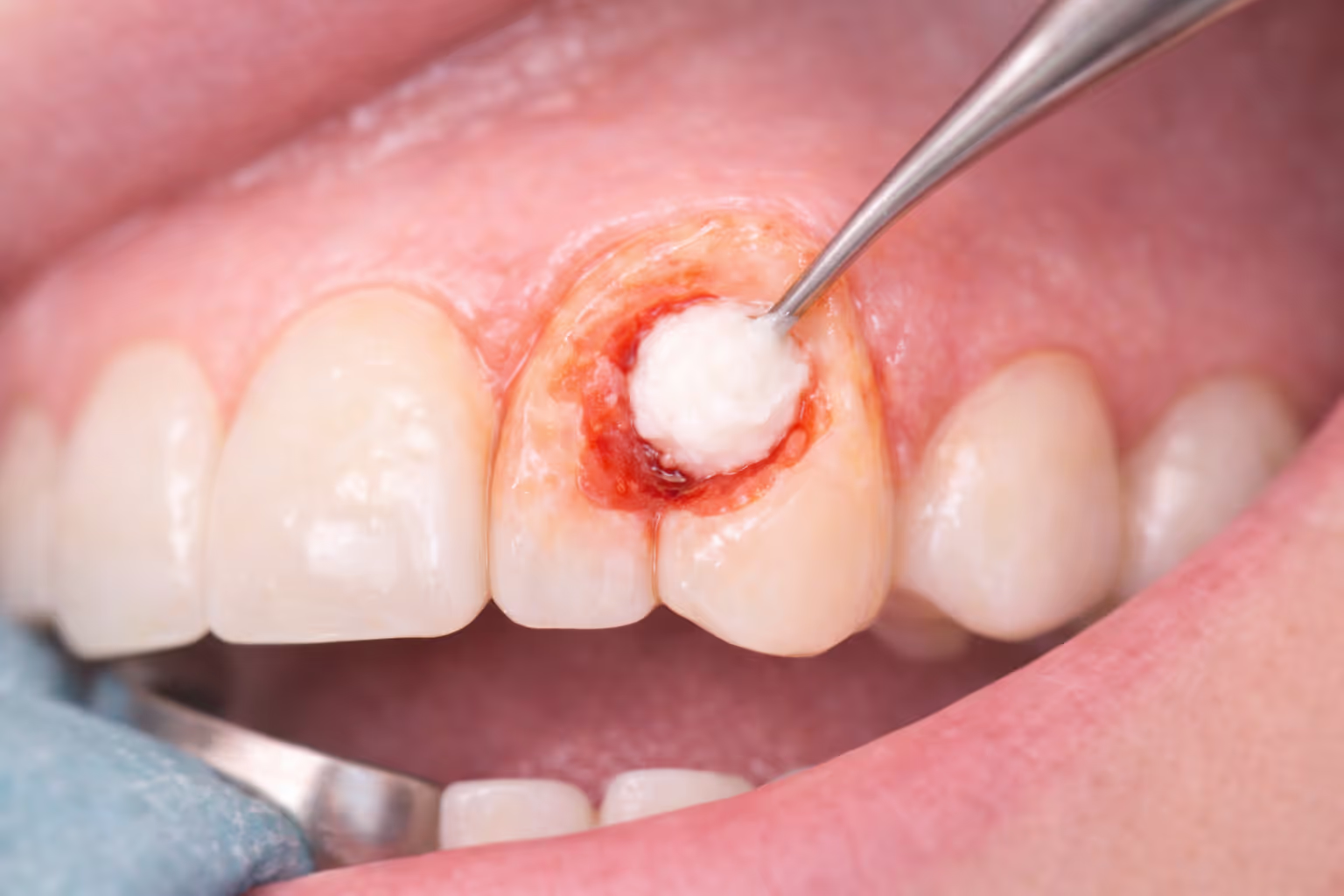
Pulp Capping (Direct & Indirect) is a modern dental procedure designed to improve patient comfort, enhance clinical accuracy, and support long‑term oral health. At our practice, we use advanced technology and evidence‑based techniques to ensure every patient receives safe, predictable, and high‑quality care.
- Relieves pain caused by deep decay, infection, or inflammation inside the tooth
- Helps save your natural tooth instead of extracting it
- Protects surrounding teeth and bone from the spread of infection
- Allows you to chew and bite more comfortably again
- Usually completed comfortably with local anesthesia
- Your dentist or endodontist evaluates the tooth with X-rays and clinical tests.
- Local anesthesia is used to thoroughly numb the area around the tooth.
- A small opening is made to access and carefully clean the root canal system.
- The canals are shaped, disinfected, and sealed with a biocompatible filling material.
- The tooth is restored—often with a crown—to protect it and restore full function.
- Use of modern endodontic techniques and instruments for efficiency and precision
- Digital imaging to accurately diagnose and monitor the health of the tooth
- Focused on comfort and reassurance before, during, and after treatment
- Experience managing both straightforward and complex root canal cases
- Clear explanations so you understand why the tooth needs treatment and what to expect
Is pulp capping painful?
Root canal therapy is designed to relieve pain, not cause it. With effective numbing and careful techniques, most patients are surprised by how comfortable the visit feels.
How long does a root canal appointment take?
Many treatments take 60–90 minutes, but this can vary depending on the tooth and the number of roots involved.
Will I need a crown afterward?
In many cases, yes. A crown helps protect and strengthen the tooth long term, especially for back teeth that handle heavy chewing.
How long will a root-canal-treated tooth last?
With proper restoration, good home care, and regular checkups, a treated tooth can often last many years.
What Our Clients Say
view all reviews

Ready for a Healthier Smile?
Take the first step toward exceptional dental care. Our friendly team is here to make your visit comfortable, personalized, and completely stress-free.