
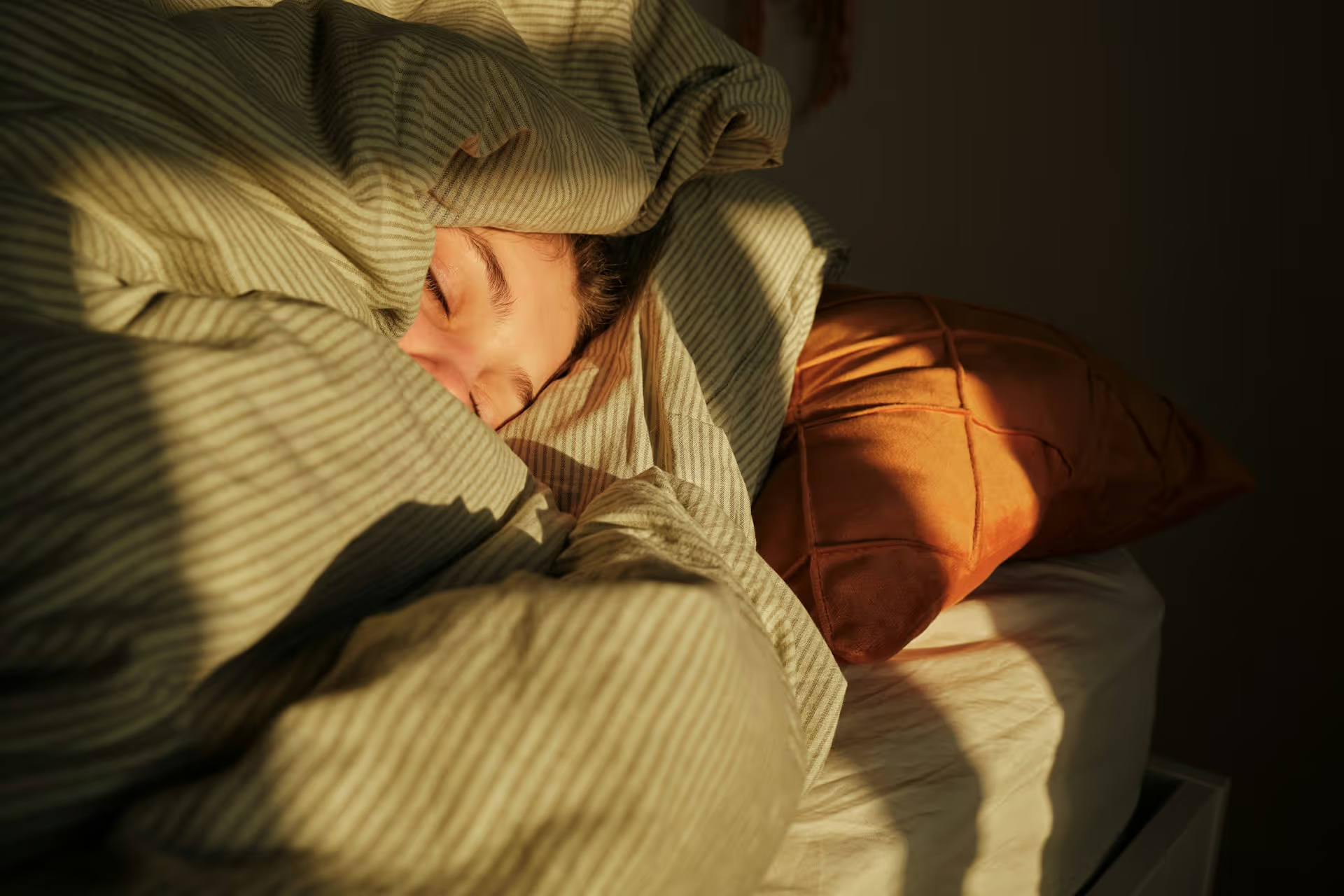
Sleep apnea is more than just an annoying habit of snoring loudly. It's a common yet serious condition that disrupts not only sleep patterns but also one's quality of life. People with sleep apnea experience brief pauses in breathing during the night, which can jolt them awake several times. This continuous interruption affects how they feel during the day, often leading to drowsiness and irritability. For a lot of folks, using a CPAP (Continuous Positive Airway Pressure) machine is the usual prescription. However, it's not the perfect fit for everyone and that's where alternative solutions come in handy. Exploring different ways to tackle sleep apnea can help in achieving the restful and restorative sleep needed for overall well-being.Discovering alternatives to CPAP machines is a journey toward feeling better without the discomfort that some might find with the traditional approach. These alternatives focus on improving airflow and addressing the root of the problem rather than just masking it. With spring bringing fresh beginnings around Granbury, it offers a perfect opportunity to explore new methods to achieve better sleep and health.
Understanding Sleep Apnea
To effectively deal with sleep apnea, it's important to first understand what it is. Sleep apnea occurs when there's a blockage in your airways or when your brain doesn't send the right signals to breathe properly while you're asleep. There are three main types of sleep apnea you might come across:1. Obstructive Sleep Apnea (OSA): This is the most common type and happens when the muscles in the throat relax too much, causing a blockage.2. Central Sleep Apnea: This type is less common and occurs when your brain fails to send the right signals to the muscles that control breathing.3. Complex Sleep Apnea Syndrome: Also known as treatment-emergent central sleep apnea, it's a combination of both obstructive and central sleep apnea.Each type has its own causes and symptoms, but they all ultimately affect your sleep and day-to-day life. The persistent fatigue, morning headaches, and poor concentration can all be traced back to this. This is why understanding and diagnosing sleep apnea is so important. Recognizing the symptoms early and seeking appropriate treatments can greatly improve overall health and quality of life.
Alternatives to CPAP for Sleep Apnea Treatment
Exploring alternatives to CPAP machines opens the door to a wide range of effective treatments for sleep apnea. One popular option is oral appliances, designed to adjust the position of the jaw and tongue to keep the airway open during sleep. These devices are small, comfortable, and easy to use, making them a favorite choice for many who seek convenience and effectiveness without the bulk of a machine.Another approach is positional therapy. Some people find their sleep apnea worsens when they sleep on their back. Positional therapy helps by encouraging side-sleeping, using special pillows or wearable devices that make it uncomfortable to roll onto your back. Over time, these techniques can significantly reduce sleep disturbances and promote healthier sleep patterns.Look into lifestyle changes and behavioral therapies, too. Maintaining a healthy weight, avoiding alcohol and smoking, and practicing regular exercise can all contribute to improved sleep apnea symptoms.
Functional Dentistry Solutions
Functional dentistry offers innovative solutions that work in harmony with your natural teeth and tissues. At the center of this practice are principles that focus on understanding how your mouth and facial structures work as a system, aiming to address any disruptions that might lead to problems like sleep apnea.One advanced approach involves non-invasive laser therapy, which is useful in treating TMJ disorders and reducing snoring. This method provides relief without the need for surgery, offering a more pleasant treatment experience.Additionally, biomimetic and biocompatible materials are used to mimic natural tooth structure, providing durability and safety. These innovations ensure that any dental work integrates seamlessly with the body’s natural functions, promoting long-lasting health.
Functional Therapy Techniques
Functional therapy goes beyond treating symptoms by addressing underlying causes. One such technique involves tongue and lip tie releases. These are minor procedures that free up tight bands of tissue, enabling better tongue movement and, subsequently, breathing.Oral appliances play a crucial role in this therapy as well, with their ability to redirect jaw positions and relax tension, helping to retrain clenching and grinding habits. This not only improves dental health but also enhances airflow, which can significantly improve sleep quality.Understanding and implementing these therapies can foster better sleep and contribute to overall health. Exploring these options could pave the way for a life with less interrupted sleep and greater daytime alertness.
Why Choose Local Expertise in Granbury
In Granbury, the focus on personalized care is clear, with attention to detail in selecting the most appropriate solutions for managing sleep apnea. With the expertise of local professionals in functional dentistry and the latest therapeutic techniques, residents can explore effective, non-CPAP solutions tailored to their specific needs. This localized approach ensures that the community benefits from dedicated care that understands unique lifestyle and health considerations.If you're ready to explore a customized approach that moves beyond traditional CPAP solutions, Lakeview Dental offers a range of treatments in Granbury tailored to address your unique needs. Discover how functional dentistry can enhance your sleep quality and experience effective sleep apnea treatment with CPAP. Embrace healthier, more restful nights with expert care and innovative solutions.

Ready for a Healthier Smile?
Take the first step toward exceptional dental care. Our friendly team is here to make your visit comfortable, personalized, and completely stress-free.