
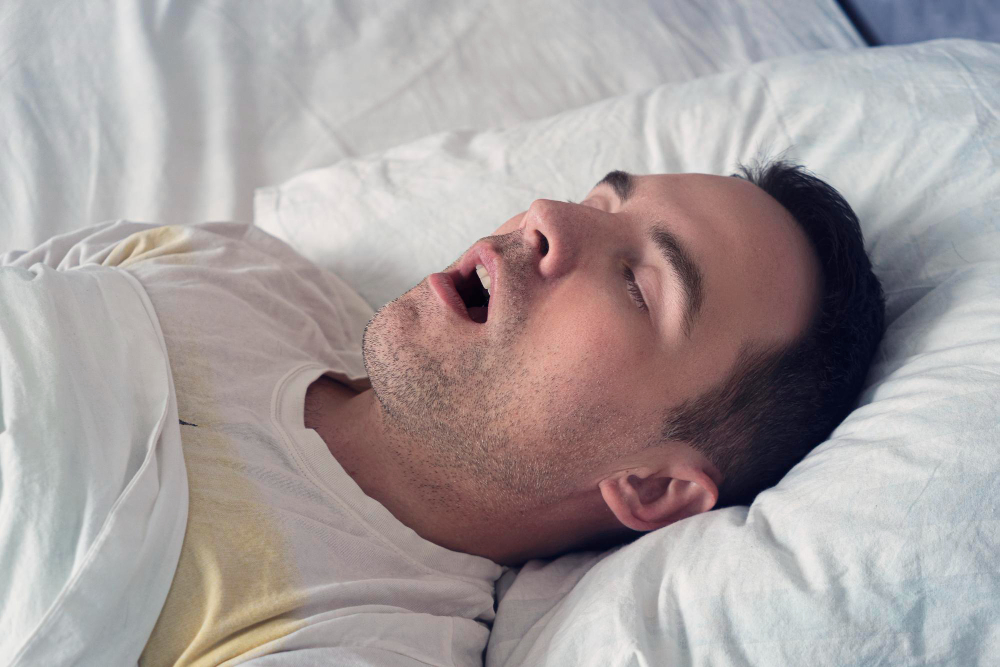
When most people picture sleep apnea, they think of loud machines and bulky masks. But problems with airway function often begin long before Sleep Apnea Treatment with CPAP becomes the only option. The signs are usually quiet, and they often blend into daily life. Many people miss them.
That’s where functional dentistry makes a difference. We look at more than just teeth. We look at how breathing, bite alignment, and muscle use all work together during the night. If things feel off, your body has subtle ways of letting you know. Learning how to listen can help us get ahead of those problems before they grow into something more disruptive.
How Sleep Apnea Can Hide in Everyday Habits
Sleep apnea doesn’t always show up with loud or dramatic symptoms. In fact, the early clues can feel so normal that they’re easy to ignore. But when you start connecting these little dots, a bigger picture begins to form.
• Waking up with a dry mouth might feel harmless, but it can be a sign that you're breathing through your mouth while you sleep. That can put strain on the soft tissues in your airway.
• Regular morning headaches may be coming from poor oxygen flow overnight. If your airway is collapsing or narrowing during sleep, your brain is working harder just to get enough air.
• Snoring that comes and goes, or seems to get worse with the seasons, could be a sign that your breathing isn’t as smooth or steady as it should be.
• Feeling exhausted during the day or noticing more mood swings than usual may be your brain’s way of telling you that it’s not getting the rest it needs.
These symptoms are easy to brush off, but they carry weight. They’re signals that the body is working harder while you sleep, and not always succeeding.
What Makes Functional Dentistry Different
We approach sleep concerns by studying how the whole mouth works, not just how clean the teeth are or whether there’s a cavity or two. Functional dentistry is about understanding the mechanics that support healthy breathing, balance, and sleep.
• We often find that a narrow bite or small dental arch can crowd the airway. It may not be obvious during the day, but when the muscles relax at night, that space can collapse.
• Hidden muscle tension from clenching or grinding can affect how air moves through the throat. Worn-down enamel and tight jaw muscles often tell us more than X-rays can.
• Lip and tongue ties, even mild ones, can prevent the tongue from resting in a healthy position. That may change how you swallow, breathe, and even speak. Over time, it can lead to tiredness you didn’t see coming.
• We provide functional assessments to uncover problems related to bite, jaw alignment, and airway that impact restful sleep, helping pinpoint subtle symptoms before they lead to chronic issues.
Each of these signs are ways the body tells us that the airway might not be working as well as it should. And all of them point us toward early help, before Sleep Apnea Treatment with CPAP becomes the main approach.
Non-CPAP Options That Support Better Sleep
For people who aren’t ready for machines, or who are trying to avoid using one to sleep, it helps to know there are other pathways that can support better breathing at night.
• Oral appliances that adjust the jaw or support the tongue’s position can improve airflow without needing force or pressure. They’re often small and easy to wear during sleep.
• Functional therapy uses small changes over time, like tongue stretches and breathing work, to help the airway stay open more naturally. These habits often work hand in hand with oral appliances.
• Non-invasive laser therapy can help reduce snoring by tightening soft tissues in the airway. It’s a popular option for people who want quicker healing with less irritation, especially during colder months when the body slows down.
• Our treatment options can include airway oral appliances, laser therapy to reduce snoring, and therapy for tongue or lip ties, providing several ways to address symptoms without relying on CPAP right away.
Instead of forcing air through the nose and throat, these options support more natural muscle movement and jaw function. Each one helps restore a better balance for sleep.
Why Winter Triggers More Sleep Disruptions
In places like Granbury, Texas, winter might not be covered in snow, but the seasonal shift still changes the way our bodies breathe. Knowing how cold air and indoor heat affect sleep can help us catch warning signs before they get buried in the routine of long nights and busy days.
• As the air dries out, nasal passages can feel tighter. That pushes more people to breathe through their mouths, especially during sleep. Mouth breathing usually brings more snoring and less restful sleep.
• Winter allergens like dust and cedar pollen rise when windows stay shut, and they can block up the nose just enough to make breathing hard at night.
• Mild colds and congestion during winter often get dismissed as nothing special, but they push soft tissues to swell and collapse inward, especially when lying flat, and that puts pressure on the airway.
By tracking these seasonal factors, functional dentistry helps us see what might be making sleep worse in winter and how to support the airway with simple tools that fit each person.
What to Expect at a Functional Sleep Assessment
When someone shares concerns about sleep or fatigue, we start by getting a full view of how the mouth, muscles, and airway are working together. A functional sleep assessment doesn’t involve machines or wires right away, it starts with connection.
• We begin with bite checks and muscle testing around the jaw and neck. This helps us pinpoint stress points that can change how air flows at night.
• Imaging is sometimes helpful to check how much space the tongue has to move and whether anything is crowding the back of the throat.
• If sleep symptoms are showing up often or seem to be building, a screening might be recommended. This gives more data, but it’s paired with everything else we already learned during the physical exam.
The process feels calm and open-ended, which often brings peace of mind. There’s no pressure to commit to one path right away. Because we’re focused on the body’s natural rhythms and structures, starting early often helps prevent later interventions.
Take Control of Sleep Before It Affects Your Health
When your body isn’t resting the way it needs to, it usually tells you in small ways. Dry mouth here, light snoring there. Maybe a foggy morning that clears with coffee but keeps coming back. Those things matter. They’re easy to overlook, especially during winter when everyone feels a little more tired, but they build up.
Functional dentistry looks at the patterns behind symptoms and helps us treat them early. That means we don’t have to rely on Sleep Apnea Treatment with CPAP right away. Instead, we work with the body to support natural breathing and rest. When your airway feels stable, your whole day feels different. You wake up more refreshed, think more clearly, and regain energy you didn’t know you were missing. And that starts with paying attention to what’s been there all along.
Noticing early signs that your sleep isn’t as restful as it should be can be a wake-up call to explore less invasive options. At Lakeview Dental, we take a functional approach focused on how your airway, muscles, and bite work together at night. Our team offers natural solutions before recommending devices, especially for those wanting to avoid long-term use of a Sleep Apnea Treatment with CPAP. Supporting your airway early leads to better sleep, clearer mornings, and more energy throughout the day. Take the next step and contact us to schedule a visit.

Ready for a Healthier Smile?
Take the first step toward exceptional dental care. Our friendly team is here to make your visit comfortable, personalized, and completely stress-free.