
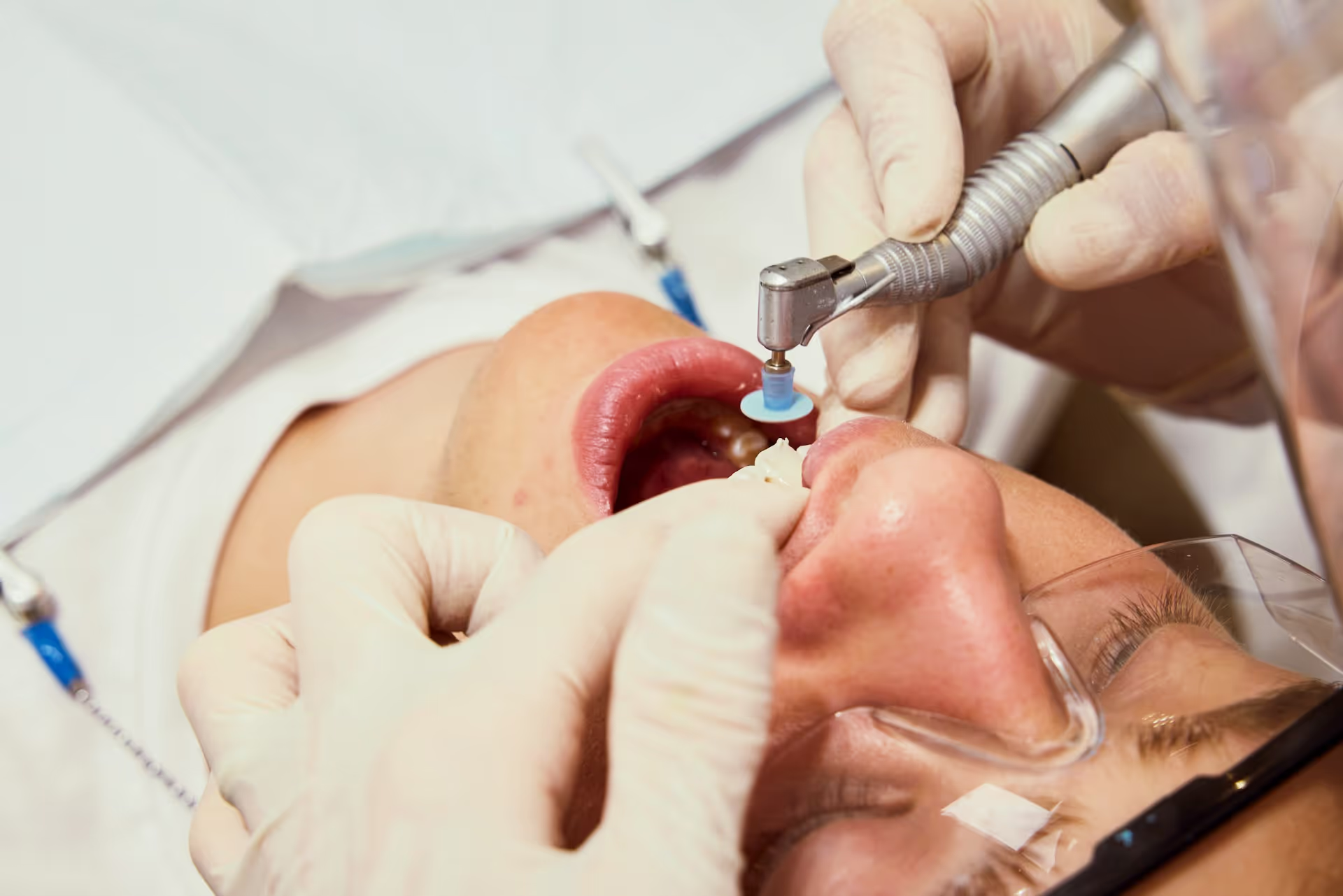
Root canal treatments often raise eyebrows and spark curiosity. Despite the advanced state of dental health today, the phrase "root canal" can still cause anxiety. But having the right information makes a world of difference when you're anticipating this procedure. Everyone has questions about it, and that's perfectly normal. From understanding what a root canal involves to knowing what to expect during the treatment, being informed is your best bet. This not only helps in easing any apprehension you might have but also plays a fundamental role in your overall dental health journey.This article dives into some of the most common questions surrounding root canal treatments. By the end of this discussion, you'll not only have a clearer picture of what this procedure entails, but you'll also understand why it's needed and how it can actually save your natural tooth. Let's walk through this together, and you might find that root canals aren't as daunting as they seem.
What is a Root Canal Treatment?
A root canal treatment is a dental procedure aimed at removing infection from the inside of a tooth. This treatment becomes necessary when the pulp, the soft tissue inside the tooth, becomes inflamed or infected due to deep decay, repeated procedures on the tooth, or a crack in the tooth. By performing a root canal, your dentist can save a tooth that might otherwise need to be extracted.Imagine your tooth like a house and the pulp as the wiring. When something goes wrong with the wiring, you need it fixed to keep the rest of the house functioning safely. A root canal acts in the same way, preserving the tooth so it continues to serve its purpose without causing pain.During the procedure, the dentist carefully cleans out the infected pulp and shapes and seals the tooth to prevent further infection. This process maintains the structure of your tooth while removing the root cause of pain or discomfort. Restoring the tooth allows you to chew, bite, and smile with confidence, knowing that your tooth is as healthy as can be.
What Can I Expect During the Procedure?
Understanding what happens during a root canal can help calm any nerves. Here's a look at the typical steps your dentist might follow during the procedure:
- Initial Examination and X-Rays: Your dentist will start with a thorough examination and may take X-rays to see the shape of the root canals and spot any signs of infection in the surrounding bone.
- Local Anesthesia: To ensure you're comfortable, your dentist will use a local anesthetic to numb the area around the affected tooth. While the idea of the procedure might sound intense, most people report that it's no more uncomfortable than getting a typical filling.
- Cleaning and Shaping the Canals: Your dentist will make a small opening in the tooth's crown and remove the infected pulp. The focus then is on cleaning and enlarging the root canals to facilitate proper filling and sealing. They aim to leave no debris behind.
- Sealing the Canals: Once the canals are thoroughly cleaned, they're dried and sealed with a material to prevent future infections. Depending on your case, this might happen on the same day or during a follow-up visit.
- Restoring the Tooth: Finally, a permanent filling or crown is placed on the tooth to help restore its full function and appearance.
A root canal typically takes between one to two hours, and modern techniques ensure it's as painless as possible, allowing you to go about your day without significant pain once the anesthesia wears off.
How Do I Care for My Tooth After a Root Canal?
Caring for your tooth after a root canal is important to ensure it heals properly and continues to function well. Following your dentist's instructions will help keep your recovery on track. Here are some simple tips to get you started:
- Avoid Hard and Chewy Foods: Stick to soft foods for the first few days. Avoid biting down on hard items or chewing with the treated tooth until you're given the green light by your dentist.
- Maintain Good Oral Hygiene: Brush and floss gently around the treated area. Keeping your mouth clean will help prevent any complications.
- Watch for Discomfort: Mild discomfort is normal. Over-the-counter pain relievers can help. However, if you notice severe pain or swelling, reach out to your dentist.
- Regular Follow-Ups: Attend all scheduled follow-up appointments to ensure everything is healing properly and discuss any concerns with your dentist.
Listening to your body and giving your mouth enough time to recover will lead to the best outcomes. By following these steps, you'll ensure the treated tooth remains strong and healthy in the long run.
Are Root Canals Painful or Dangerous?
Root canals might have had a reputation for being painful in the past, but modern advancements have changed that perception. The procedure is now much more comfortable. Many fear the pain, but today's techniques and anesthesia make the experience similar to getting a filling.With non-invasive laser technology, root canals are more precise, which means less discomfort and faster recovery times. Functional dentistry emphasizes the use of biomimetic materials that mimic the natural tooth’s structure, minimizing the risks associated with traditional methods and focusing on preserving as much of your natural tooth as possible.Root canals play a key role in saving teeth, and while the idea might sound intimidating, the procedure is safe and effective. Knowing what to expect and discussing any fears you have with your dentist can help put your mind at ease.
Personalized Recommendations for Granbury Residents
Residents of Granbury have access to some of the most advanced dental care practices. Functional dentistry offers solutions tailored to individual needs, focusing on prevention and minimal intervention. This includes using innovative techniques like biomimetic materials that support tooth structure and functionality.If you've undergone a root canal, consider consulting local experts about oral appliances or therapies that address related issues like clenching, sleep disorders, or even snoring. With options like non-invasive therapy available, treating underlying problems becomes less stressful.Taking advantage of local dental services tailored for Granbury’s community can make a significant difference not just for recovery, but for overall oral health. Frequent check-ups will ensure your mouth stays in great condition. With these specialized services readily available, Granbury residents can confidently address their dental concerns and maintain optimal health.
Get Your Questions Answered at Lakeview Dental
Understanding root canal treatments is the first step in demystifying the process. Knowing what's involved and what to expect can significantly reduce the fear that often surrounds this procedure. If you have lingering questions or specific concerns, don't hesitate to reach out to professionals in the Granbury area. They can offer tailored advice and insights that reflect your unique needs.Staying informed about dental health and scheduling regular check-ups will not only aid in recovery but will keep future issues at bay. A healthy mouth is a happy mouth, and understanding treatments like root canals are part of ensuring you maintain your smile for years to come.If you're ready to take the next step in ensuring your dental health and have specific concerns about saving a natural tooth, consider learning more about dental root canal treatment. Lakeview Dental in Granbury offers advanced techniques and comprehensive care services tailored to your needs, ensuring a positive experience for lasting oral health.


Ready for a Healthier Smile?
Take the first step toward exceptional dental care. Our friendly team is here to make your visit comfortable, personalized, and completely stress-free.