
Why Your Routine Dental Care Costs More Than You Think
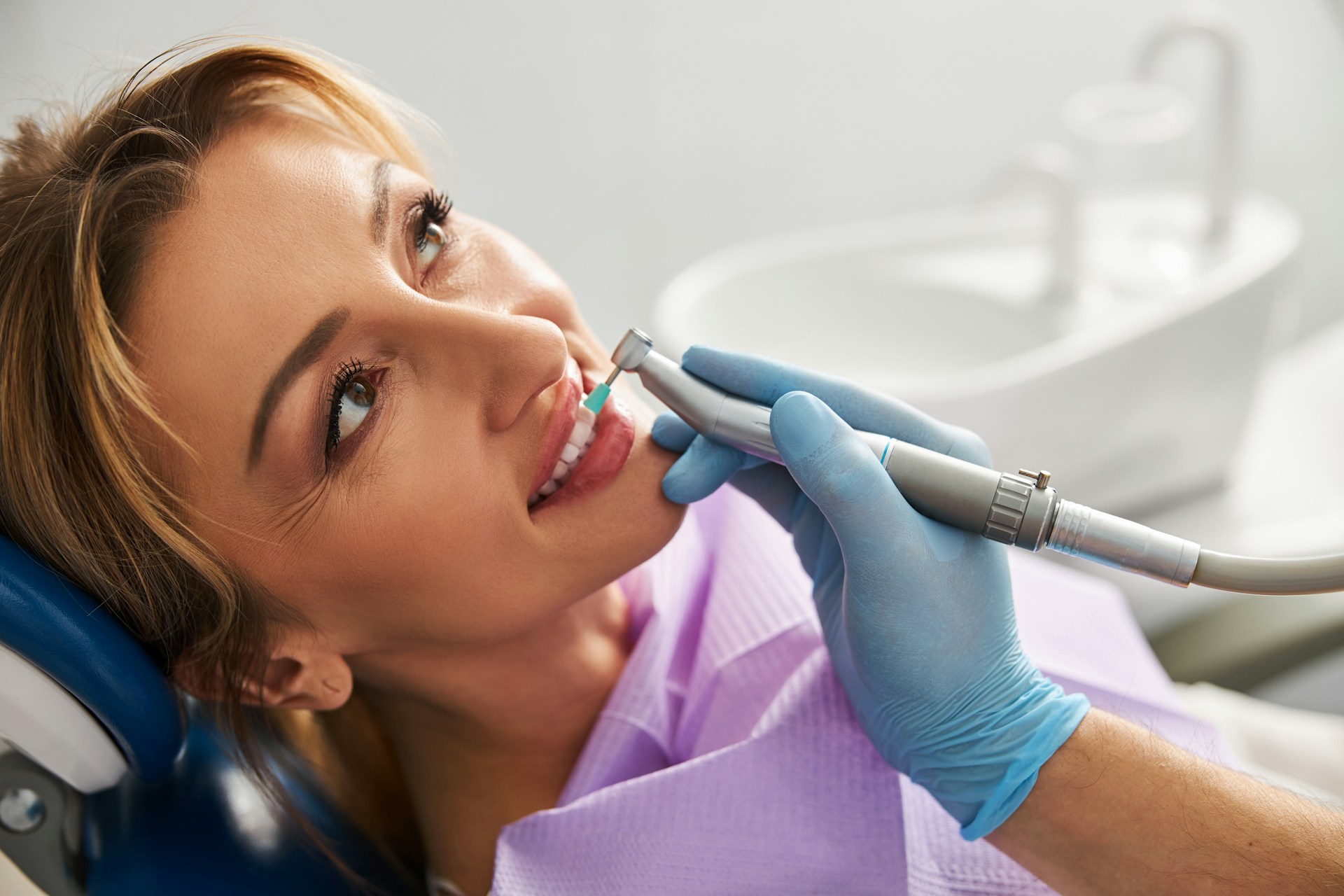
Routine dental care sounds simple, but it usually includes much more than a quick polish and a smile. For most patients, regular visits mean exams, digital X-rays when needed, professional cleanings, fluoride for cavity prevention, and sometimes minor restorative work like small fillings. When you add it up for each family member, a year of visits can represent a significant part of your healthcare budget.
Skipping preventive dental care often feels like a way to save money in the short term, especially if your teeth are not bothering you. The problem is that small issues tend to grow quietly. That tiny cavity that could have been treated quickly can turn into a tooth that needs a crown or a root canal. At that point, the cost and time commitment go up, and treatment becomes more complex.
In our Granbury practice, we see families in our practice handle these costs in two main ways. Some rely on traditional dental insurance, often through an employer. Others choose an in-office membership plan that they manage directly with our team. The important question is not which option sounds better on paper, but which one usually saves more and supports consistent preventive dental care for everyday needs.
How Traditional Dental Insurance Really Works
Traditional dental insurance can feel confusing, but the structure is fairly consistent. Most plans involve a monthly premium that you pay whether you visit the dentist or not. On top of that, there may be an annual deductible that you must meet before certain services are covered, along with copays or coinsurance for specific treatments.
Insurance companies usually categorize treatment into preventive, basic, and major. Preventive dental care like exams, cleanings, and some X-rays is often covered at a higher rate. Basic restorative work, such as fillings, may be partly covered, while major procedures, like crowns or dentures, typically come with higher out-of-pocket costs. Many cosmetic services are not covered at all, and out-of-network care can mean reduced benefits.
To put this into perspective, think about a family of four with two adults and two children. Over a year, they pay monthly premiums for all four family members, then still owe copays at each visit. If anyone needs a filling or other minor restorative work, additional costs apply. If several teeth need treatment, the plan’s annual maximum can be reached quickly, and the rest becomes the family’s responsibility.
Common frustrations come from the fine print. Patients may experience denied claims for reasons that are not obvious, waiting periods before some services are covered, and limits on how often certain procedures can be done. There is also the “use it or lose it” issue, where unused benefits at the end of the year simply disappear instead of rolling over.
What a Dental Membership Plan Offers Instead
An in-office dental membership plan is a different way to budget for your care. Instead of paying premiums to an insurance company, you pay a flat annual or monthly fee directly to the dental practice. In return, you receive a set bundle of services, usually including a specific number of cleanings, exams, and X-rays, plus discounts on additional treatment if you need it.
At a practice like Lakeview Dental, this is not insurance. It is a simple agreement between our office and your family. There are no deductibles to meet, no waiting periods to sit through, and no claim forms to submit. You know up front exactly what your membership covers and how much of a discount applies to services outside the plan.
Many offices structure membership options by patient type. Typical examples include:
• Adult plans for standard preventive visits and discounts on common treatments
• Child plans tailored to growing smiles and cavity prevention
• Periodontal plans for patients who need more frequent cleanings to manage gum health
These plans are built around consistent preventive dental care. By keeping regular visits on the calendar, patients are more likely to catch concerns early, when treatment is smaller and more affordable.
Side-by-Side Cost Comparison for Routine Care
To understand how this plays out over time, picture a typical healthy adult who keeps up with routine care and occasionally needs a small filling. With dental insurance, this person pays monthly premiums all year. They also have a copay for each preventive visit, and if a filling is needed, insurance covers part of it while the patient pays the rest. If the plan has a deductible, that may apply first.
With a membership plan, the same person pays one predictable fee that covers exams, cleanings, and X-rays. When a filling is needed, the practice simply applies the membership discount to the regular fee. There is no need to wait for pre-authorization, track deductibles, or worry about reaching an annual maximum.
Paying entirely out of pocket without either insurance or a membership can make sense for someone who truly needs almost no care beyond a basic visit. However, once you add even a small amount of additional treatment, uninsured patients often pay more over the year than those with a membership plan.
Different situations can shift the balance:
• Families with multiple children often see strong value in membership plans, since preventive visits are built in.
• Seasonal workers or retirees without employer coverage may like the simplicity of paying the office directly.
• Patients who tend to visit only once a year might benefit from comparing single-visit costs to a membership fee.
For many patients who focus primarily on preventive dental care and the occasional filling, a membership plan often ends up being the more affordable and less stressful choice.
How to Decide What Fits Your Family and Budget
Choosing between insurance and a membership plan starts with a few simple questions. Do you receive dental insurance through work, and does your employer contribute to the premium? How often do you or your children usually need treatment beyond cleanings? Do you value having a consistent, predictable monthly or annual cost for your care?
It also helps to think beyond dollars. Membership plans typically give you the freedom to stay with the dentist and team you trust, instead of switching to fit a specific insurance network. Seeing the same providers regularly can make each visit smoother and more comfortable, and it supports personalized preventive dental care that takes your history and goals into account.
There are situations where traditional insurance still makes sense. If you expect extensive restorative treatment, or if your employer covers most of your premiums, an insurance plan can be useful. On the other hand, if your main priority is routine visits and you like straightforward pricing, an in-office membership plan is often a smart alternative.
Many patients in Granbury, find it helpful to gather some basic numbers before deciding:
• Monthly or annual insurance premiums you pay personally
• Typical copays for exams, cleanings, and X-rays
• Average yearly spending on fillings or other minor work
• The annual cost and included services of a dental membership plan
By comparing these side by side, it becomes clearer which option truly supports your family’s health and your budget.
Taking the Next Step Toward Affordable Healthy Smiles
For many individuals and families focused on regular checkups and cleanings, an in-office membership plan can provide better value and far fewer headaches than traditional insurance. It turns your preventive dental care into a predictable, built-in routine instead of a financial question every time a visit comes up. When you keep those visits consistent, problems are caught earlier and treatment can often stay simpler and more comfortable.
If you live in or around Granbury, taking a careful look at both options can help you choose a path that keeps your smile healthy without unnecessary stress. Gather your current insurance details, compare them with a membership option at Lakeview Dental, and choose the structure that makes ongoing care feel realistic and sustainable for your household.
Protect Your Smile With Simple Steps Today
If you are ready to stay ahead of cavities and costly treatments, explore how our preventive dental care can fit into your routine. At Lakeview Dental, we focus on catching small issues early so your teeth and gums stay healthier for the long term. Schedule an appointment or ask a question anytime by using contact us, and we will help you choose the right next step for your oral health.


Ready for a Healthier Smile?
Take the first step toward exceptional dental care. Our friendly team is here to make your visit comfortable, personalized, and completely stress-free.