
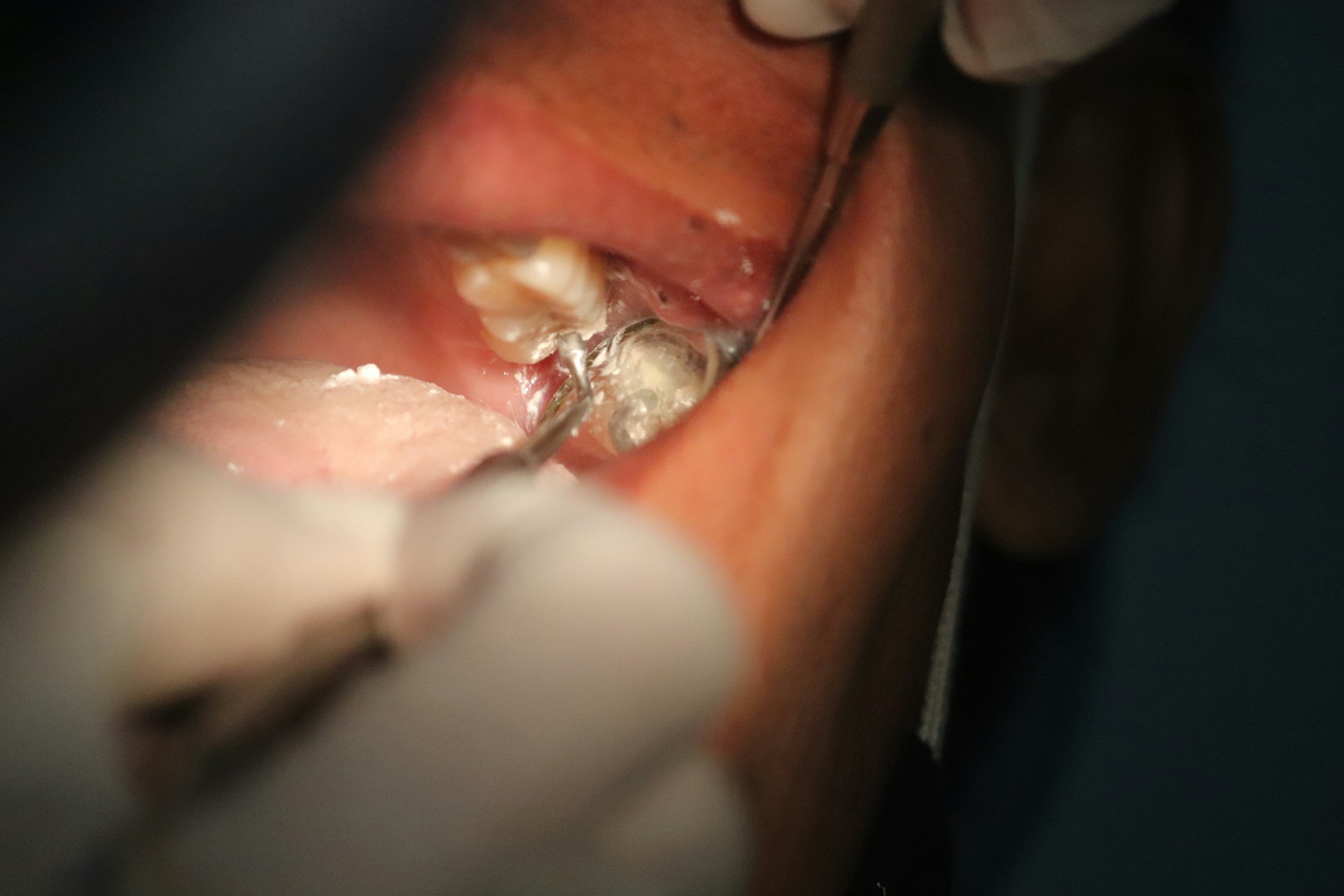
Not long ago, fixing a damaged tooth usually meant a silver or gray filling, something that stood out and wore down differently than natural enamel. Now, with newer materials and techniques, tooth repair can be both strong and nearly invisible, without using metal at all. One option, the tooth colored composite filling, blends with real enamel in both look and function.
We care about more than how a filling looks when you talk or smile. Functional Dentistry helps us consider how that filling behaves when you bite, chew, and rest your jaw. It’s not just about covering a damaged spot. It’s about helping the whole mouth stay balanced and pain-free.
What Makes Biomimetic Fillings Different
Biomimetic means copying natural biology. So when we talk about biomimetic fillings, we’re focusing on materials that work like real teeth. Teeth aren’t solid blocks, they have layers, some stiff and some flexible. Materials in these fillings are designed to do the same, moving with your bite and bonding closer to your natural dentin and enamel.
Compared to older types of fillings, biomimetic ones:
- Are built to move, not resist pressure
- Match the color and shape of real teeth more naturally
- Reduce the chances of sharp edges or cracks after years of use
By working with the tooth and not against it, these fillings help avoid breaks where natural and artificial materials meet. A tooth colored composite filling lets us focus on form and function at the same time.
Lakeview Dental provides tooth colored composite fillings that are customized for a seamless fit, offering a natural look while protecting against cracks and wear.
Why Avoiding Metal Matters
Metal fillings can seem solid at first glance, but they respond to heat and cold in a way natural tooth material doesn’t. They may contract with ice water or expand when sipping coffee, putting pressure on the tooth from the inside. Over time, this can lead to small cracks that grow bigger when left unchecked.
We’ve also seen other concerns with metal use, like:
- Gum tissue becoming discolored or irritated around the edges
- An ongoing taste of metal in the mouth for some patients
- Harder wear against natural teeth when opposing metal fillings
Tooth-colored fillings avoid these problems. They behave more like natural enamel, protect the softer layers below, and settle gently into the surrounding tooth. That keeps your bite even and your mouth more comfortable.
How Functional Dentistry Supports Long-Term Results
A filling might look finished once it’s shaped and polished, but our work doesn’t stop there. With Functional Dentistry, we take a broader look at the bite and daily habits that affect how long that work will last.
We look for things like:
- Unbalanced bite points where some fillings wear faster than others
- Jaw tension or clenching that puts pressure on specific teeth
- Breathing habits that dry the mouth, which weakens dental materials over time
In some cases, we may check for lip or tongue ties that limit movement or cause the jaw and face to strain. We might use oral appliances to retrain poor clenching or help with night breathing. These extra steps give the tooth a better chance to heal and stay that way.
Lakeview Dental’s approach includes assessing muscle and airway function for every patient with new restorations, supporting the longevity of composite fillings.
Biomimetic Fillings and Whole-Mouth Harmony
Every material in the mouth needs to keep up with how the jaw moves during meals, words, and rest. If a single filling pulls too hard during chewing or presses too much when you clench, the imbalance can spread.
We design fillings to work in sync with:
- The way bite muscles move naturally
- TMJ support, keeping joint stress to a minimum
- Breathing flow to limit airway pressure at night
When needed, we may combine biomimetic materials with non-invasive therapies. These help train the body to let go of strain patterns or open blocked airways that disrupt healing. A well-placed filling should never start a new problem. It should feel like a part of your natural rhythm.
Spotting the Right Time for Repair in Early Spring
As winter ends in Granbury and the air begins to shift, your mouth might tell a quieter story, sensitive teeth, dry lips, or soreness that wasn’t there before. Allergies returning can change how you breathe. That can dry the gums or increase tension in the jaw.
This makes early spring a smart time to spot issues like:
- Small chips or cracks caused by nightly clenching
- Sensitivity or sharp edges from worn fillings
- Sticky spots where plaque gathers near old dental work
Before summer schedules pick up, it can help to do a visual check. If a tooth feels off or chewing feels uneven, early treatment can save you bigger headaches later.
Stronger Repairs for Healthier Mouths
A tooth colored composite filling offers more than looks that blend with your smile. When made from materials that match the body’s natural movement, each repair holds up better through daily stress and wear.
When we align those repairs with Functional Dentistry, checking clenching, breathing, and bite patterns, the results remind us why materials matter. Healthy mouths depend on structure that behaves like nature intended. And when repairs feel like part of your real teeth, they’re more likely to last and feel comfortable at every stage of life.
Noticing tooth sensitivity or mild discomfort this spring might be a sign that your teeth need attention before issues develop further. At Lakeview Dental, we focus on solutions that endure everything from daily chewing and clenching to the effects of dry mouth during allergy season. Our team uses materials that complement Functional Dentistry and work with your mouth’s natural movement. To learn more about getting a tooth colored composite filling in Granbury, contact us at Lakeview Dental today.


Ready for a Healthier Smile?
Take the first step toward exceptional dental care. Our friendly team is here to make your visit comfortable, personalized, and completely stress-free.